Field production
Healthy crop activity and continued harvesting provide the foundation for a market-facing line.
Goshen's productive base combines a growing piggery with crops that support food, income diversity, market activity and future feed resilience.
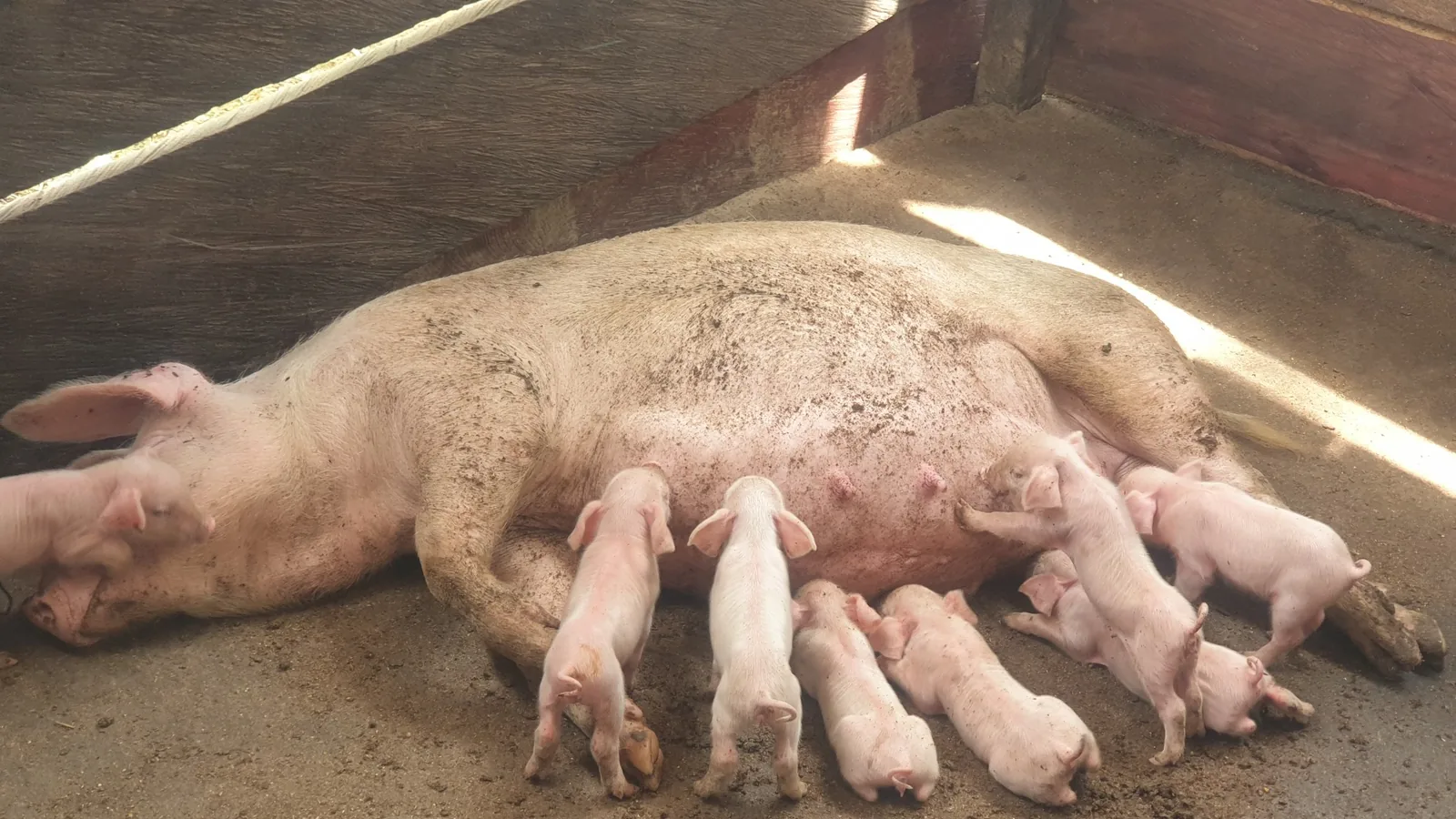
The herd began with 42 pigs and has grown to 120+ from that base after regular sales. Breeding stock is deliberately retained to build productive capacity over time.
The B2 Piggery Nursery and B3 Piggery Breeding block support rearing, daily herd management, continuity and expansion.
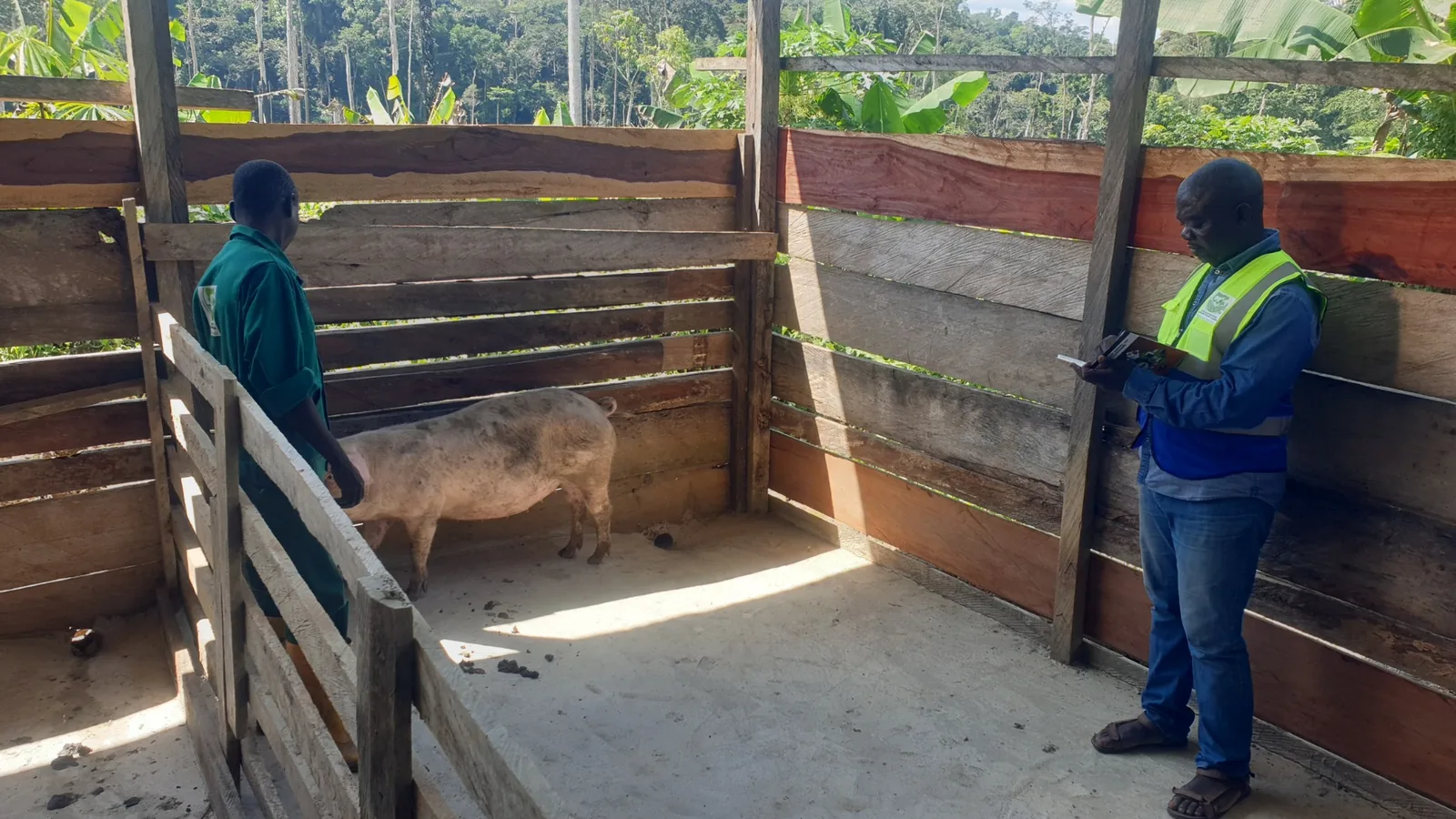
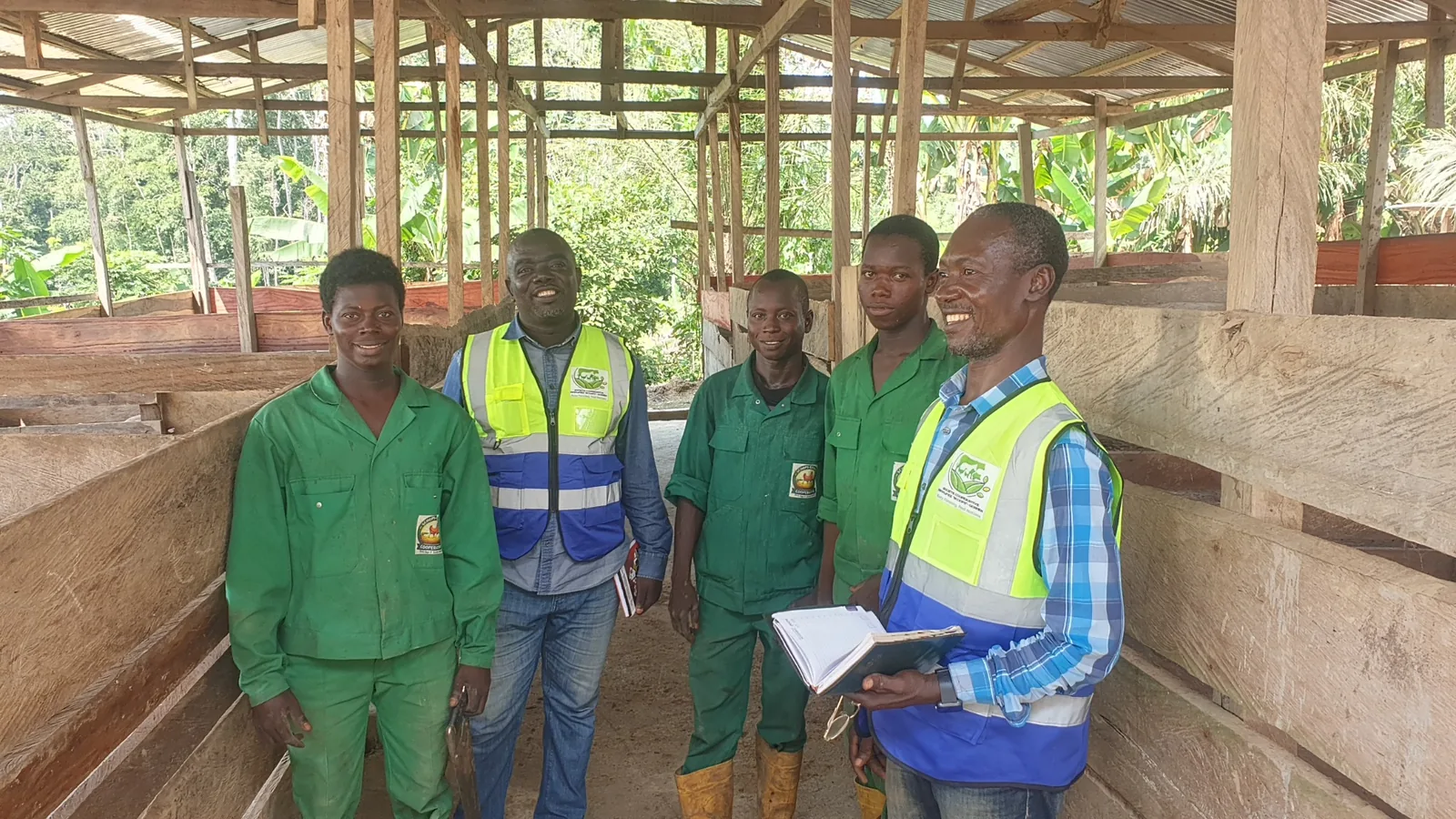
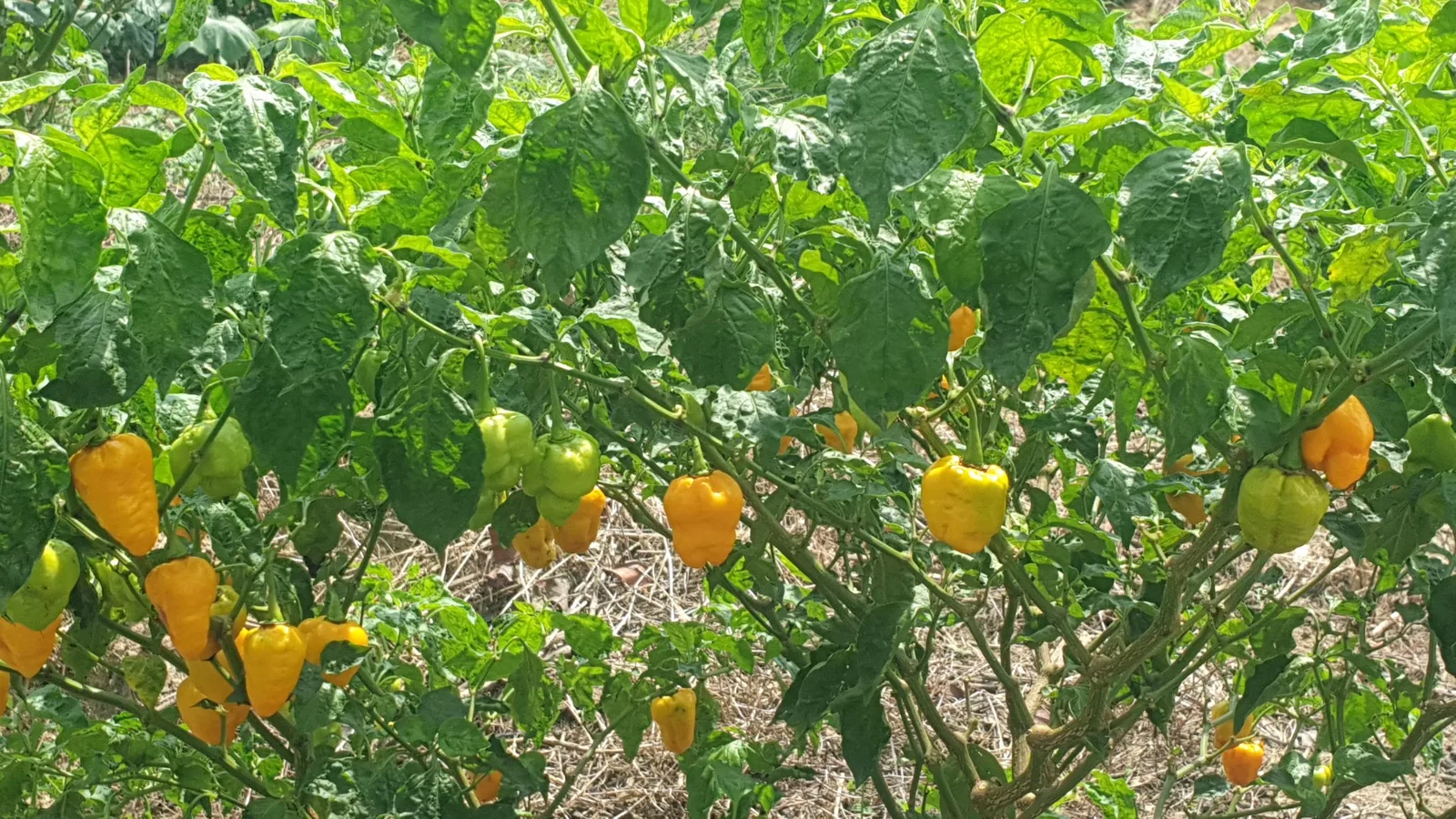
Pepper has become one of the clearest signs of commercialization at Goshen, connecting production, harvest handling and buyer relationships.
Healthy crop activity and continued harvesting provide the foundation for a market-facing line.
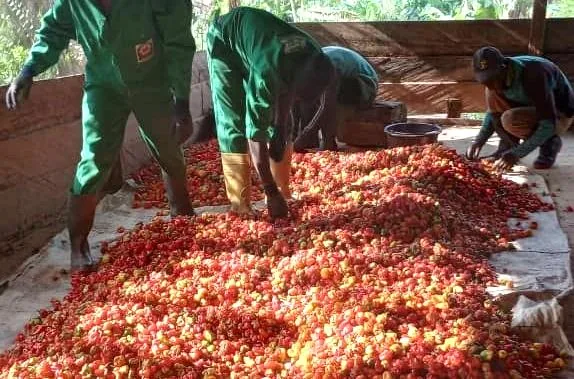
Produce is handled and sorted on the farm as part of the route from field to buyer.
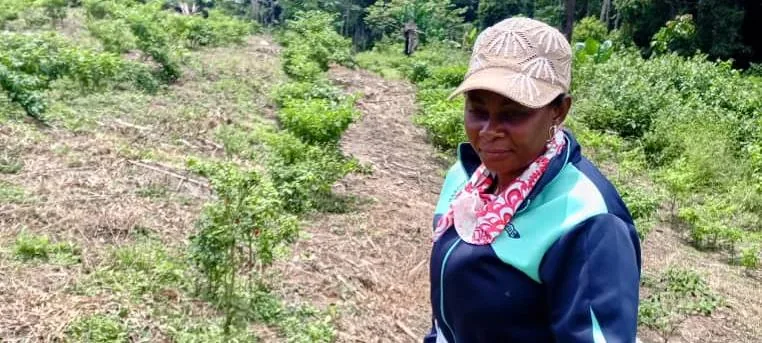
Market relationships help align production with demand and timely sales arrangements.
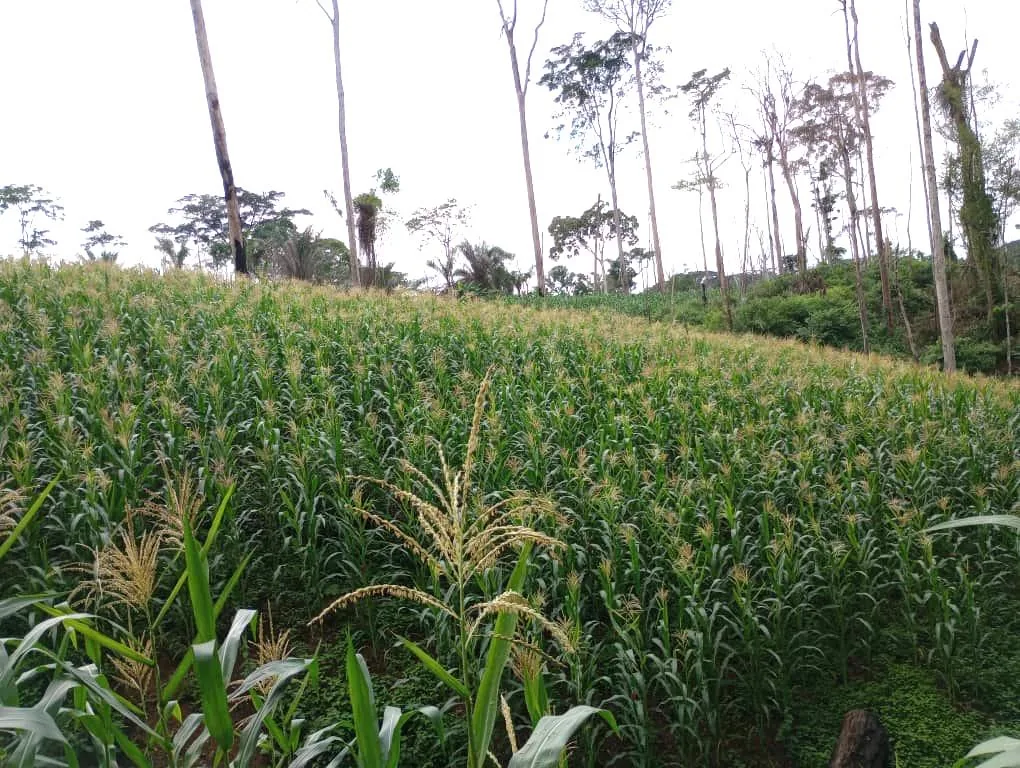
Maize production adds another layer to the integrated model: food and crop value in the present, with longer-term potential to strengthen on-farm feed resilience.
Dedicated maize storage already gives this crop a defined place within the farm system.
Pepper and maize sit alongside huckleberry, plantain, watermelon and other seasonal activity, strengthening food supply, productive land use and income diversity.
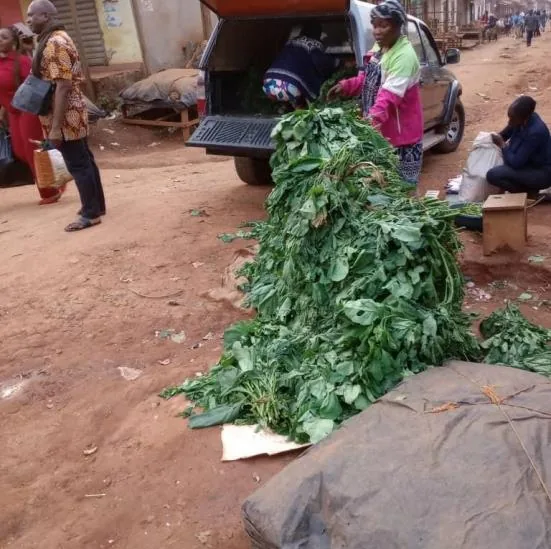
Short-cycle production contributes to regular farm activity and diversity.
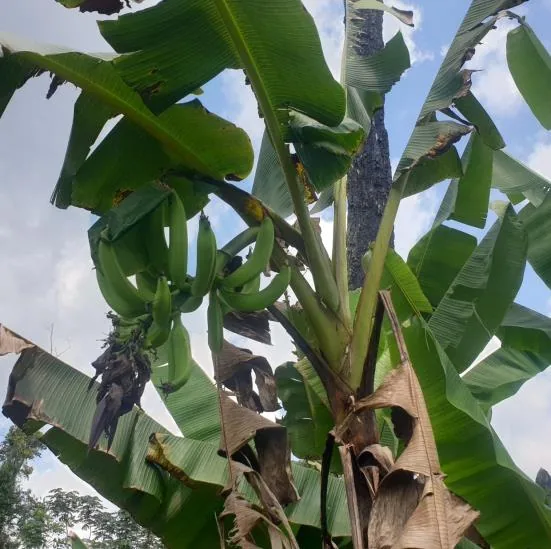
Longer-cycle crops broaden the productive landscape and support the integrated model.
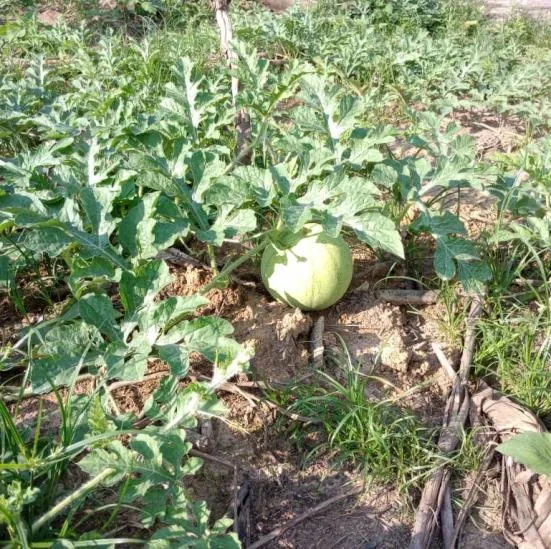
Seasonal crops keep more of the land productive and create additional market possibilities.
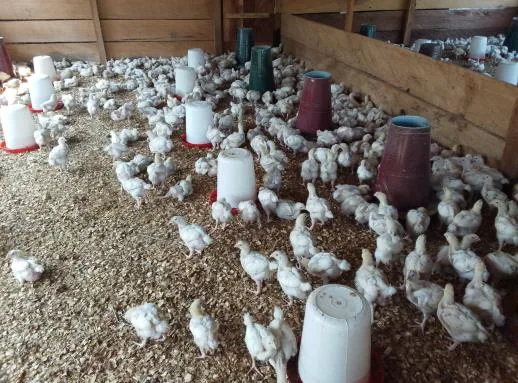
Poultry formed part of Goshen's early operating experience, beginning with pilot batches that built practical knowledge around housing, feeding, mortality and marketing.
That experience remains useful for future poultry development while today's strongest livestock focus remains the piggery.